HOW TO TOW FOIL – PART 3: SAFETY PREPAREDNESS
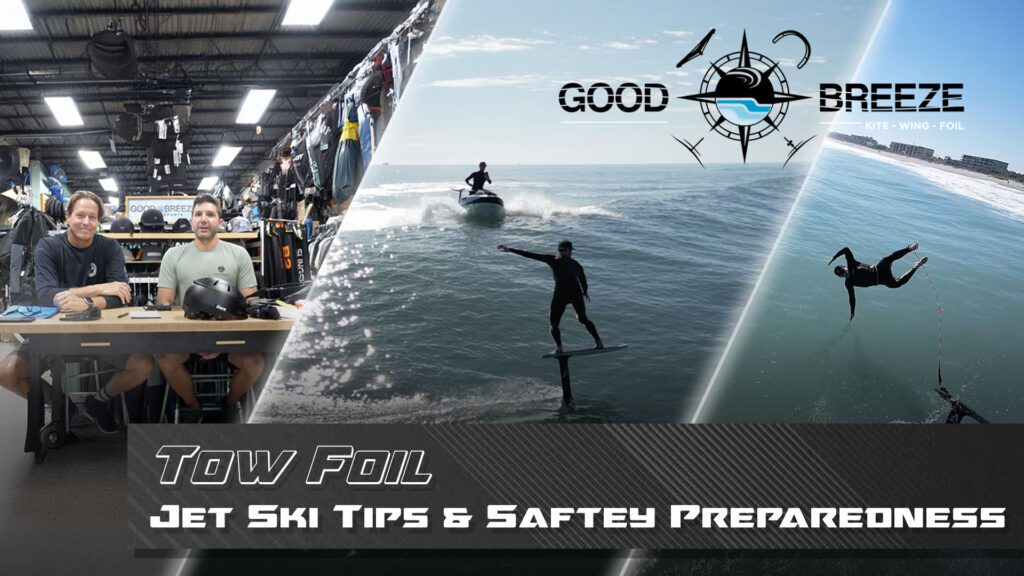
This is the ultimate guide for tow foiling safety preparedness to ensure safer and more enjoyable sessions on the water.
As part of our ongoing “How to Tow Foil” series, this installment dives deep into essential safety tips, gear, and mindset every foiler needs. Hosted by our own Billy Bosch and featuring expert insights from longtime foiler and local firefighter Latham Kellum, this episode builds on Parts I and II to keep you protected while chasing those perfect lines.
At Good Breeze, we’re passionate about foiling responsibly—loyal to the foil, and loyal to safety. Let’s get into it!
https://youtu.be/9z2xTD_Ha6o?si=upCSALOCSwhacNVc
Why Safety Preparedness Matters in Tow Foiling
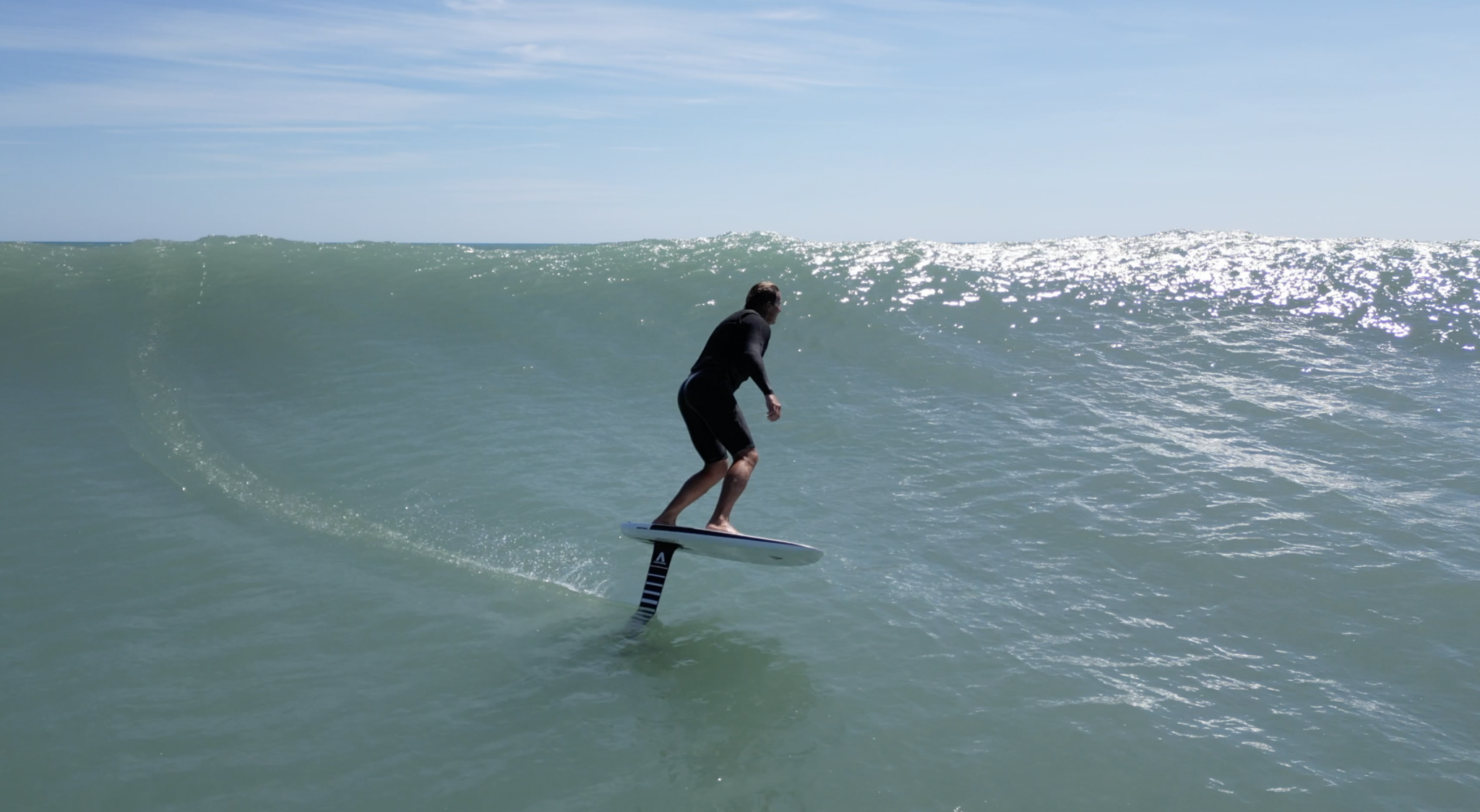
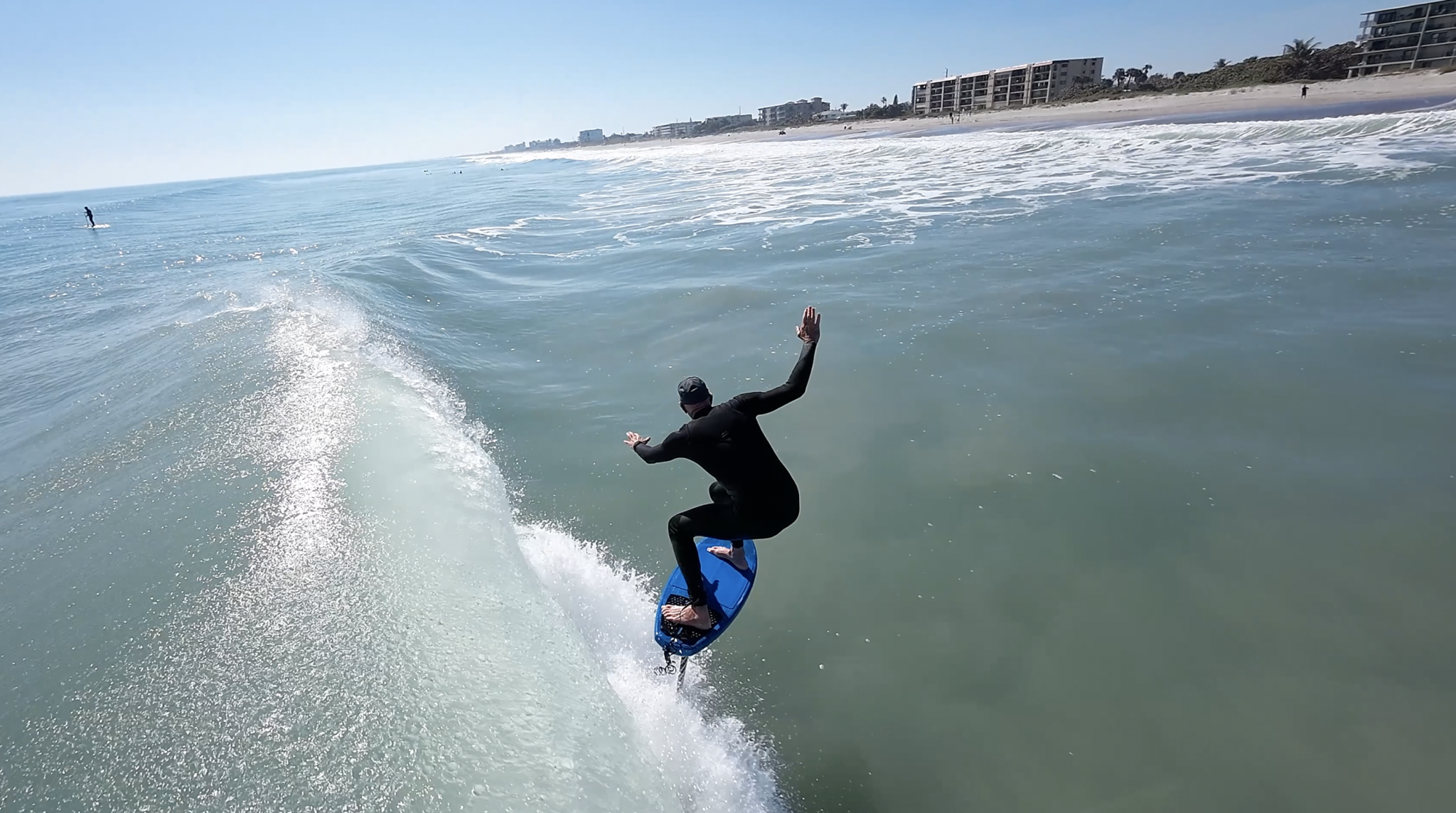
In tow foiling, the thrill comes from accessing uncrowded waves and pushing your limits, but the ocean’s unpredictability demands respect. Billy and Latham kick off the video by stressing a simple priority: protect others first, then the environment, then yourself. Complacency is the biggest risk—always prep for the “what ifs” like breakdowns, wipeouts, or rogue sets. Latham, with over 30 years in water safety from jet ski racing to yacht operations, likens a jet ski to a reliable Hilux: versatile for remote spots, but deadly without proper mindset and gear.
Pro Tip: File a “float plan” with buddies or family before heading out—share your location, ETA, and check-in time. It’s a small step that could save lives.
Gear Up Right: Essentials for Every Session
Building on the board basics from Part I, Billy and Latham run through must-have personal gear that turns potential hazards into non-issues. Flotation, protection, and communication tools are non-negotiable, especially in remote or choppy conditions.
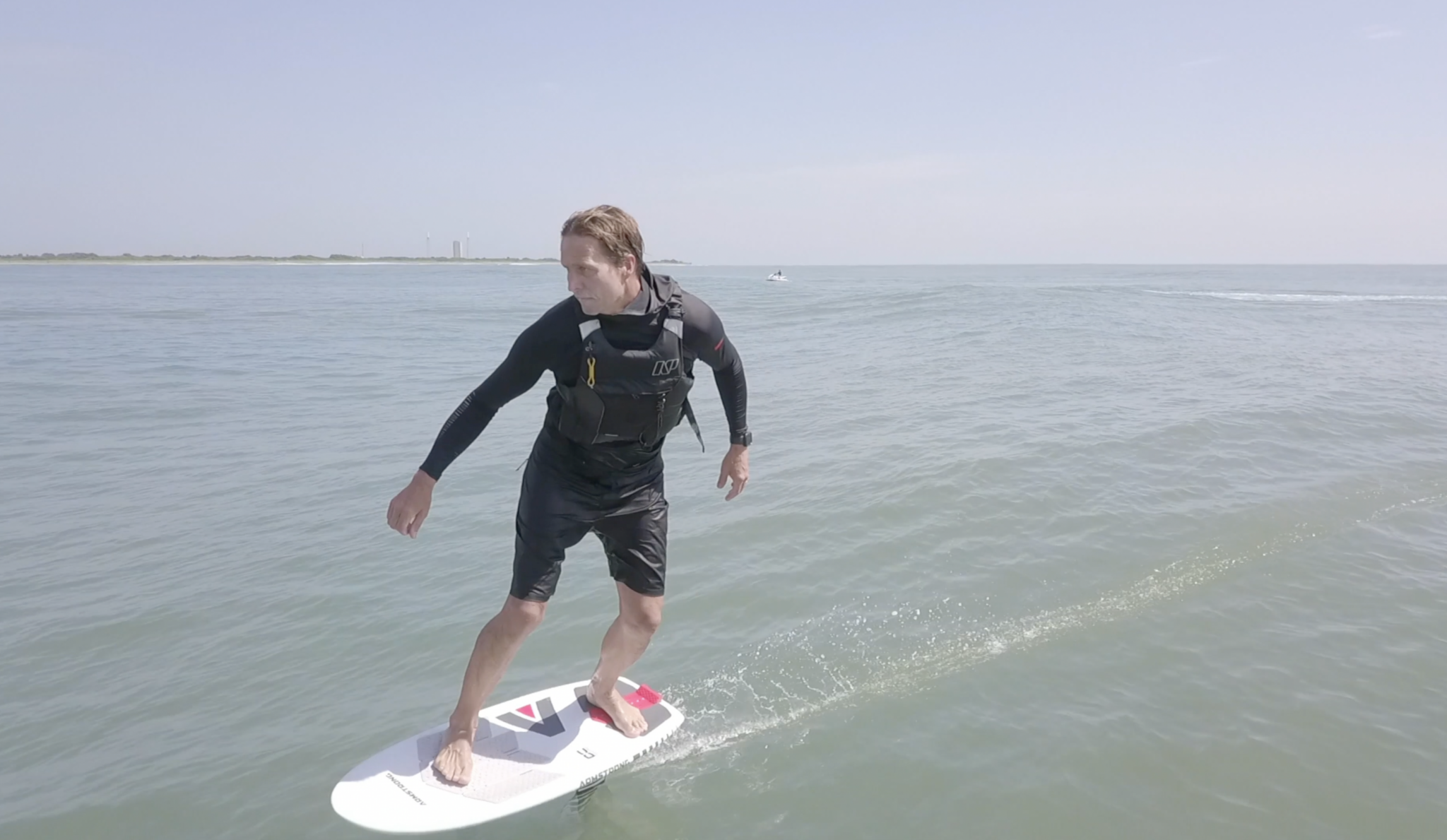
- Flotation & Impact Protection: Life jackets or impact vests keep you buoyant—add extra if ditching the leash in big water.
- Head Protection: Helmets for all high-speed tows; impacts happen fast.
- Leashes: Use Wisely: Essential near crowds to prevent board drift, but skip in open ocean—boards float, tangled riders don’t.
- Signaling Tools: Whistles on your PFD for quick alerts; required on jet skis and foil-friendly.
- First Aid & Comms: Waterproof phone pouch (Pelican 1040 is gold) and offshore VHF radio for Channel 16 hails.
We’ve got all this in stock at Good Breeze Foil Outlet—swing by or browse our online selection for deals on vests and radios. Knowledge of local conditions like tides and rules (e.g., 300 feet from shore in Cocoa Beach) seals the prep.
Jet Ski Prep: Your Lifeline on the Water
Echoing Part II’s jet ski essentials, this section amps up the focus on breakdowns and backups. Jet skis are rescue powerhouses, but ropes snag and engines fail—assume it and plan ahead. Latham’s firefighter background shines here: “Train for the worst so the best becomes routine.”
- Mod Your Ride: Add a rescue sled for pickups, and practice throttle in right hand, reach with left.
- Breakdown Hacks: Waist belt to swim the ski if needed; never ingest rope in the ski—troubleshoot or let it float.
- Backup Comms: iPhone in vest for nearshore; VHF like ICOM for offshore. Research tides to dodge shifting sandbars and rocks.
Our Take: These tweaks make your ski a true partner in safety. Pair with our discounted tow setups for the full kit.
Etiquette: Foil Like a Local Legend
Accessing hidden gems is tow foiling’s magic, but it starts with respect. Billy and Latham drop etiquette gems to keep sessions vibe-high and trouble-free: be a good neighbor on the water.
- Space is Grace: Stay a quarter-mile from surfers, swimmers, and paddlers to avoid noise or scares.
- Team Talk: Chat zones with other crews; explore remote breaks responsibly (and maybe name one after your smoothest carve!).
- Legal Lowdown: Know rules like 100 feet from swimmers in Volusia County—ignorance isn’t bliss, it’s a ticket.
Bottom line: Foil with aloha, and the lineup stays open for everyone.
Rescue Ready: Techniques That Save Lives
Drawing from the Hawaiian Lifeguard Association’s Personal Water Rescue Craft Manual (2025 edition recommended), Latham breaks down jet ski rescues like a pro. These aren’t just tips—they’re lifesavers, turning panic into protocol.
- Hand Signals: Head pat = “All good”; one arm = “Help, stay calm”; two arms up = “Emergency—now!”
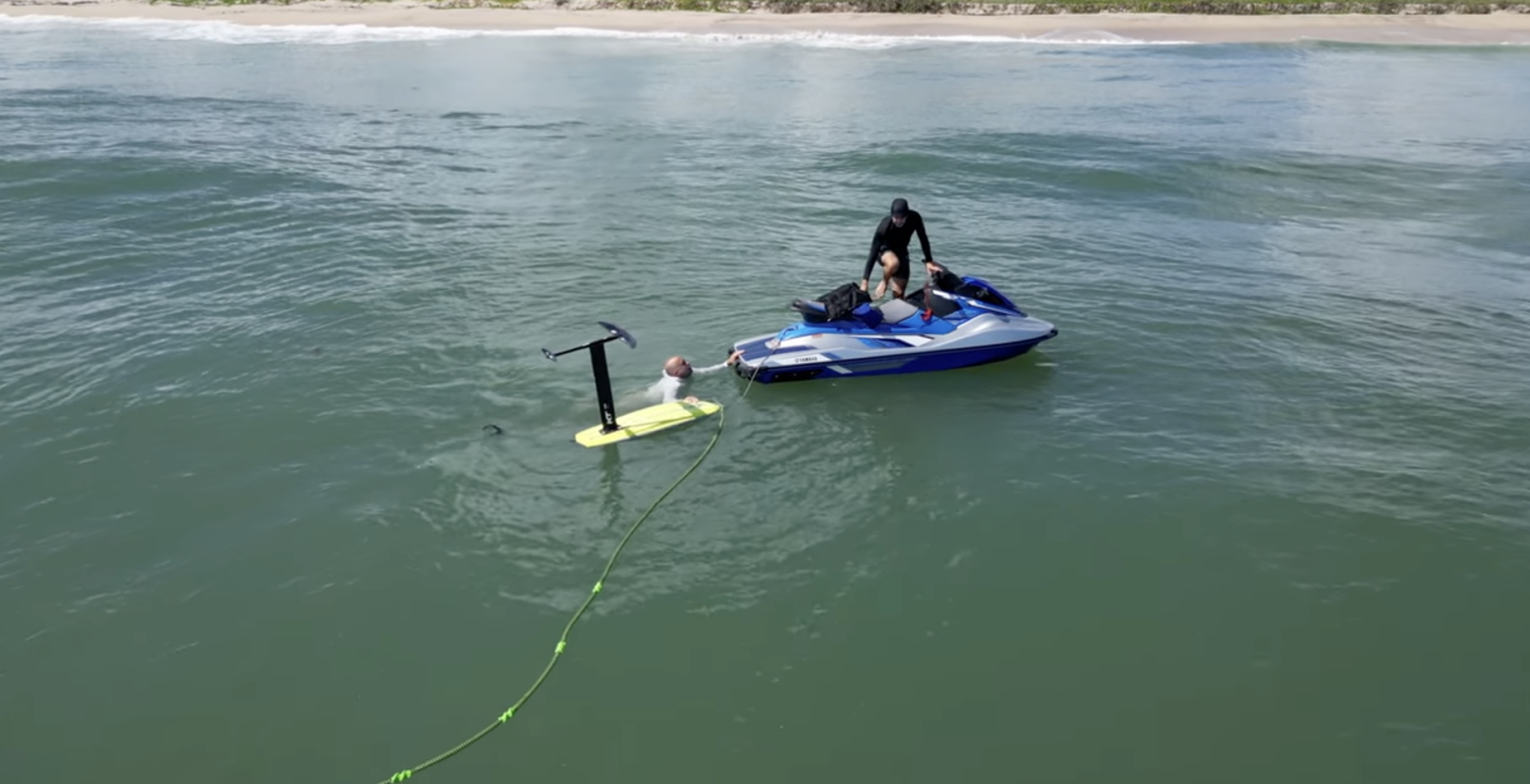
- Pickup Drills: Rider: Breathe through sets. Crew: Spot and signal. Operator: Steady throttle, low reach. Whistles pierce wind.
- Rope Wrangles: Clear tangles methodically—practice prevents paralysis.
- Training Call: Study the manual or join classes; we’ve got resources at the shop.
“Everything’s about doing things safely, but you got to do it pretty quickly when you’re out there,” says Latham. Real story time: He’s seen wing foilers go solo, get hurt, and struggle without a plan—don’t be that rider.
Pro Tip: If you’re new to tow foiling, start with a setup that matches your local conditions. At Good Breeze, we offer expert advice on foiling gear that pairs perfectly with jet skis. Check out our closeout deals on hydrofoils and boards for budget-friendly options!
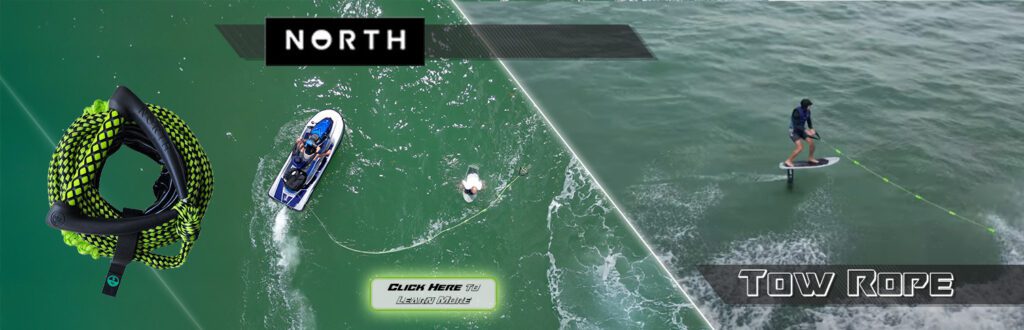
North: Premium Tow Rope
Easy-grab, high-visibility floating rope with a comfortable ergonomic handle for tow-in foil and surf. Adjustable length and large diameter, with non-slip braided knots for fast pickups in critical situations and towing multiple riders.
Features:
-
- Ultra-low stretch braided PE floating rope
- Non-water absorbing closed-cell EVA foam core
- High-visibility safety colours
- Large diameter rope with non-slip braided knots
- Lightweight low-drag floating handle
- Comfortable ergonomic EVA bar grips
- Durable and safe moulded-EVA bar ends
- Handle sized to reduce chance of body entrapment
- Adjustable length – from 35’ (10.65m) to 20’ (6.1m)
- 15’ (4.55m) protective rigid PVC tubing section
- Nylon attachment point eyelet to reduce rope wear
- Velcro line manager to secure rope to vessel.
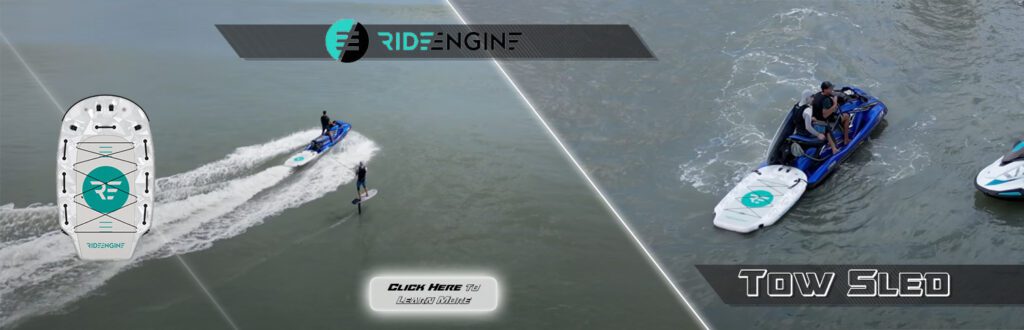
Ride Engine: Rescue Jet Ski Tow Sled
Meet Ride Engine’s new jet ski deck sled. From ease of use to ensuring efficient jet ski performance, every detail has been meticulously thought out to bring you the best in class. TPU molded semi-rigid handles guarantee a good grip, even in choppy waters. The thin profile allows for rapid mounting and a rockered tail provides better ski handling and acceleration when sled is deployed. Perfect for rescue operations, water sport assistance, transporting people and equipment, or as a nice platform for water lounging après session.
Features:
-
-
Technical Details
- Length 190cm
- Width 115cm
- Thickness 8cm
- Tail Rocker 4cm
- Inflation High pressure valve
- # of tow connection points 3
- # of handles 9
Included
- Deck Sled
- Connection Hardware
- Protective Sleeve
-
Here is Some More Tow Foil Equipment
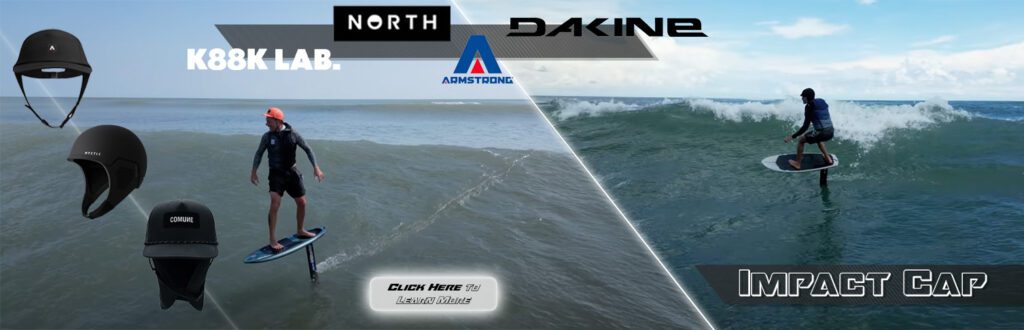
Impact Cap
A well-fitted impact cap protects your head from impacts against the board, foil, or water.
Click Here To See All Our Impact Caps
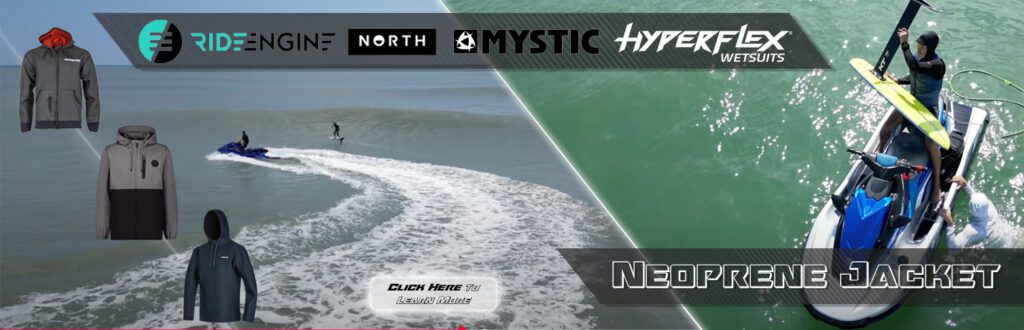
Neoprene Jacket
For variable conditions during tow sessions, a lightweight neoprene jacket provides essential wind and light spray protection without restricting mobility. Its flexible material and water-resistant properties keep you warm on cooler starts or longer runs, while features like adjustable hoods and cuffs help seal out elements and maintain comfort.
Click Here To See All Our Neoprene Jackets
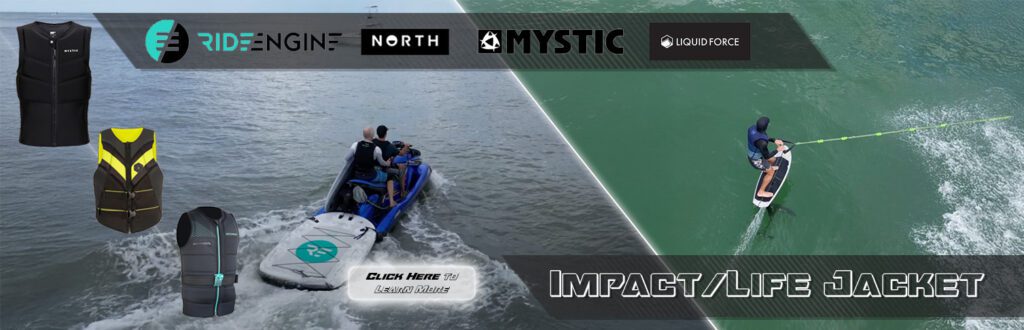
Impact/Life Jacket
A life jacket, or personal flotation device (PFD), is essential for providing reliable buoyancy that keeps your head above water even if you’re unconscious or exhausted after a wipeout, ensuring you remain visible and afloat until rescue—particularly critical in open water or when towed by a jetski far from shore. Complementing this, an impact jacket (or vest) offers targeted cushioning with foam padding to absorb the jarring forces of high-velocity impacts against the water’s surface or equipment, safeguarding your ribs, spine, and organs from fractures or bruising during those inevitable early-learning tumbles.