Not sure which items to choose? We are here to help. Choosing the right foil setup can feel overwhelming, so we want to make it easier. Use the guide below to better understand the mast, front wing, fuselage, and tail wing options. Whether you are building a complete MA, UHA, HA, or CF foil kit, this package builder will help you get set up with the right Armstrong gear.
If you have any questions or need help choosing the best setup for your weight, conditions, and riding style, please feel free to reach out to us.
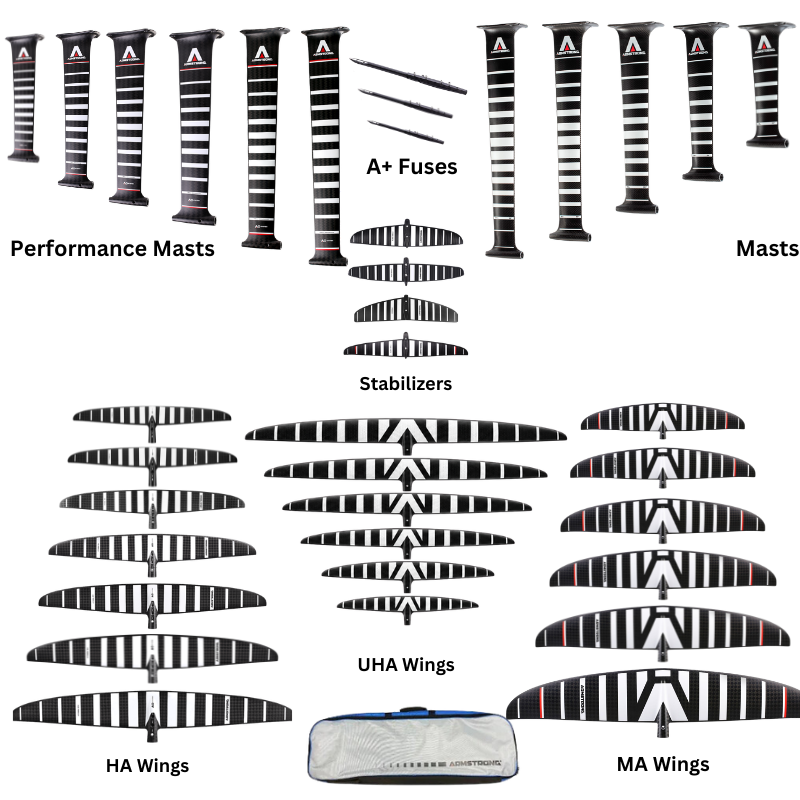
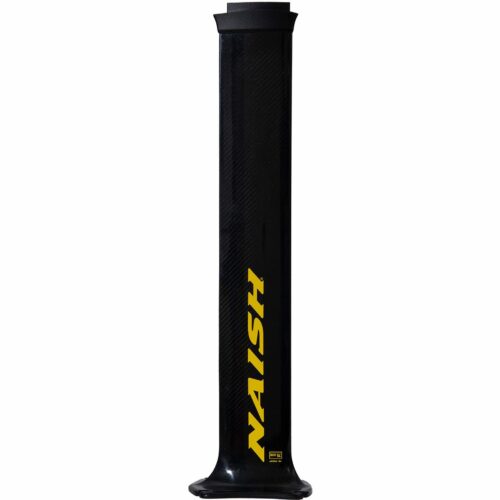
How do I choose the Right Armstrong Mast?
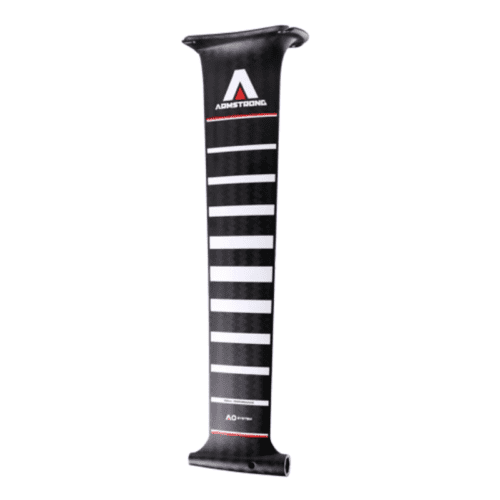
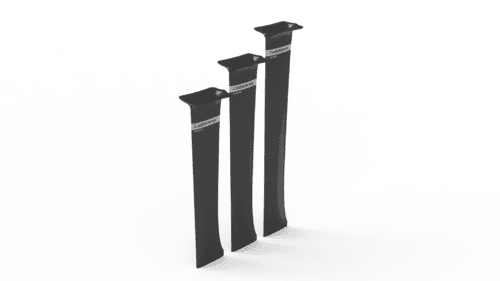
Choosing the right Armstrong mast depends on two main factors: mast height and mast construction. The right mast will depend on your discipline, water depth, skill level, rider size, and desired performance.
Mast height is usually determined by the type of foiling you plan to do most. Armstrong mast sizes with three digits, such as 655, 725, 795, and 865, are measured in millimeters. For example, the 795 mast is 79.5 cm tall.
The 795 mast is one of the most versatile mast heights and works well for many types of foiling. It is a great all-around choice for wing foiling, prone foiling, wake foiling, and general use.
If you are foiling in shallow water, learning, or want an easier setup to manage, a shorter mast such as the 655 or 725 can be a great option. Shorter masts are generally easier to learn on and are more forgiving in shallow conditions.
If you are winging in deeper water, riding rolling swell, kite foiling, or dealing with wind chop, you may prefer a taller mast such as the 865 or larger. Taller masts give you more room to ride over chop and swell, create better angles when powered up, and provide a larger margin for error at speed.
Mast construction is the other major factor. Armstrong offers several mast constructions depending on your budget and performance goals. The standard carbon mast is durable, reliable, and works great for most riders. It has been a trusted option for years and is a strong choice for the average rider.
If you are using larger front wings, are a larger rider, or want a stiffer and more performance-focused setup, the Performance Mast series is a great upgrade. These masts use higher-modulus carbon, which makes them stiffer and less prone to twist or flex. They also have a faster section to reduce drag and improve performance. The mast rake is slightly different as well, which helps at higher speeds and when landing jumps.
The Performance 795 mast is one of our best-selling Armstrong items because it offers an excellent balance of stiffness, speed, control, and all-around usability.
For those wanting the ULTIMATE performance and speed, the Performance-X Mast is going to be the ticket. This mast is insanely thin and has very little drag. It makes big wings feel smaller and smaller wings feel bigger!
How do I choose the Right Armstrong Front Wing?
Choosing the right Armstrong front wing depends on how you plan to use it. Your discipline, conditions, riding style, body weight, and the amount of power or energy in the water will all help determine the best foil size and shape for you.
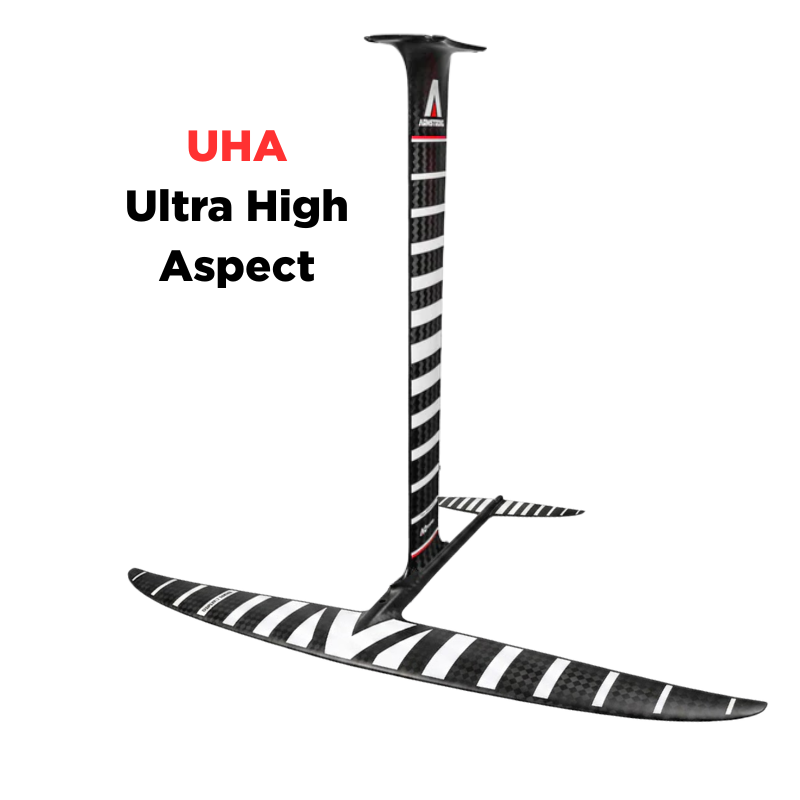
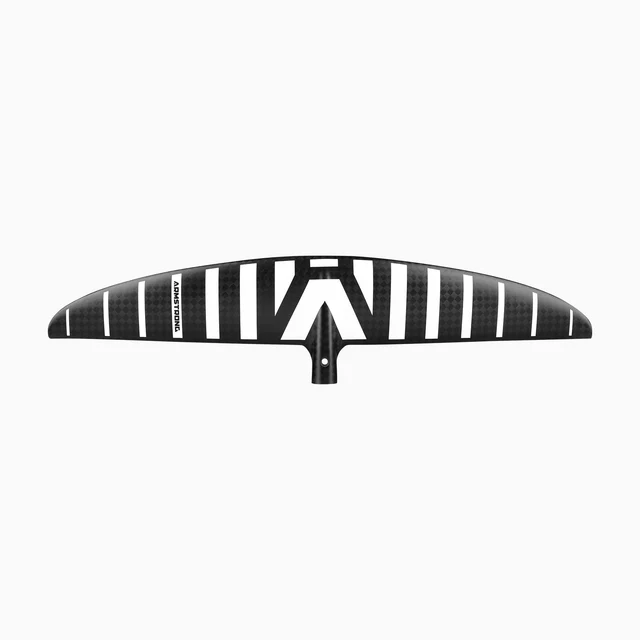
The UHA front wings are popular for riders looking for maximum glide, efficiency, and pumpability. They are a great choice for downwinding, winging in lighter wind, covering distance, and chasing faster bumps. If your goal is glide and efficiency, the UHA series is usually a strong option.
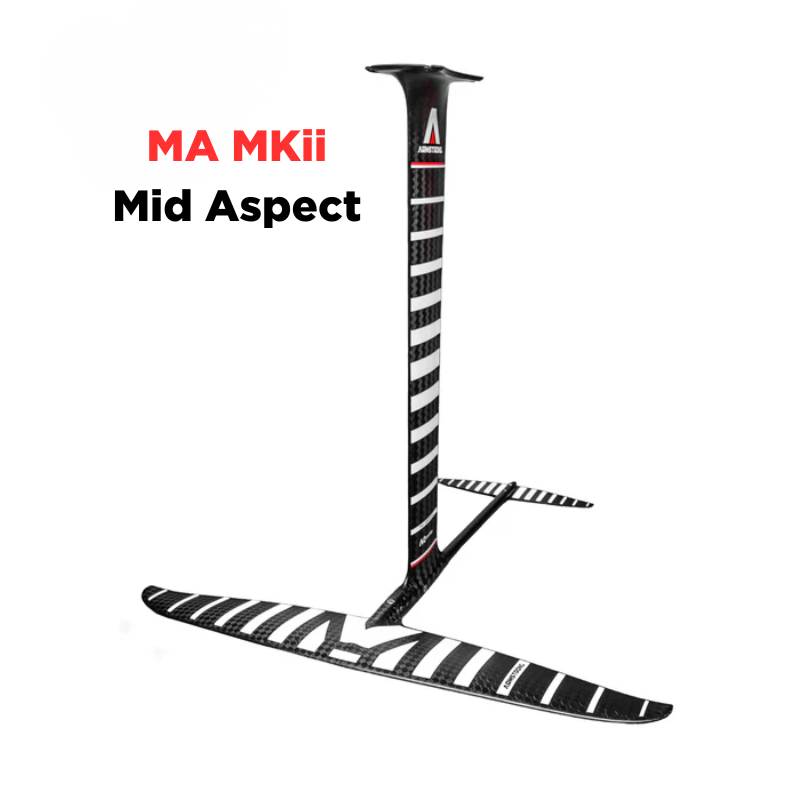
The MA front wings are better suited for high-speed turns, wave riding, and a more surfy feel. They are more maneuverable and responsive, making them a great choice for riders who want to carve harder, ride waves aggressively, and have a looser, more playful foil under their feet.
The HA front wings sit nicely between the UHA and MA series. They still offer good pump and glide, but with more maneuverability than the UHA. If you want an all-around performance foil that can handle a variety of conditions, the HA series is a great middle ground.
The CFv2 front wings are popular in wake foiling, especially for riding first wake, doing flips, spins, and other freestyle-style maneuvers. The CF wings are known for forgiving takeoffs and landings, easy recovery, and a stable, user-friendly feel.
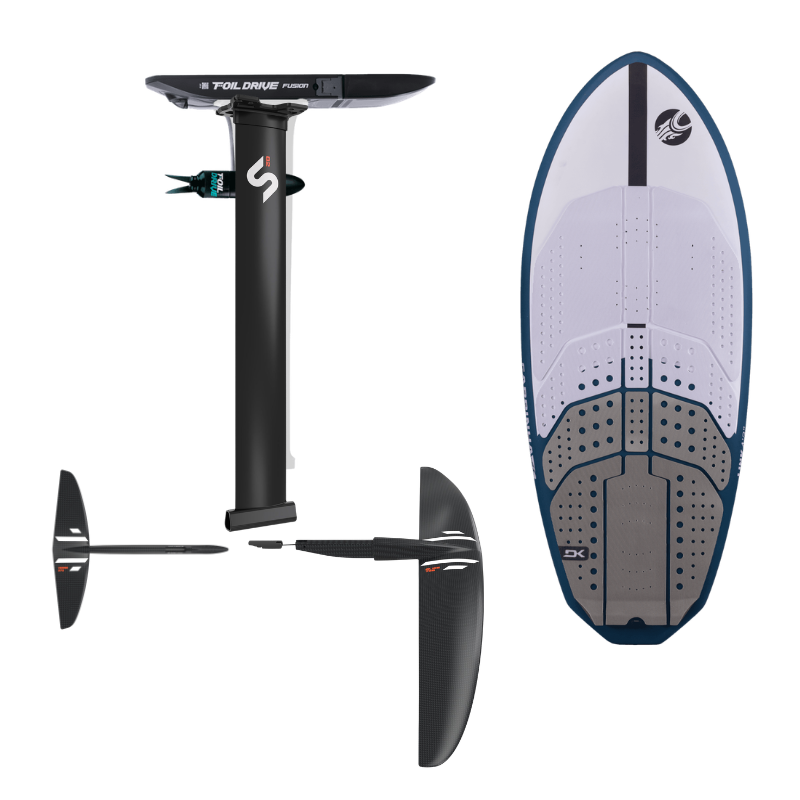
Whether you are wing foiling, prone foiling, Foil Driving, downwinding, parawinging, wake foiling, or surf foiling, the right front wing depends heavily on your riding conditions and goals. Larger riders usually need larger wings, while smaller riders can often use smaller wings. The size and power of the waves or wind also matter. For example, bigger waves usually require a smaller front wing, while smaller or weaker waves often call for a larger wing.
In general, larger front wings pump more easily and provide more lift, but they are also slower and less maneuverable. Smaller front wings are faster and more responsive, but they require more speed, power, and rider input.
There are many variables when choosing the proper Armstrong front wing. If you are not sure which wing is right for your weight, conditions, or riding style, please reach out to us and we’ll be happy to help guide you toward the best option.
How do I choose the Right Armstrong Fuselage?
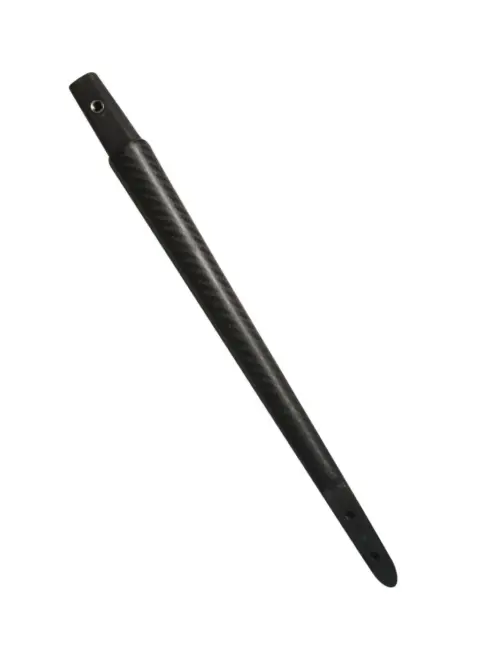
Choosing the right Armstrong fuselage depends on your riding style, discipline, and the feel you want from your foil setup. Fuselage length affects maneuverability, pump cadence, stability, and drive, so choosing the right size can make a big difference in how your foil performs.
The TC60A fuselage is the most common all-around option and is often considered the bread-and-butter fuselage in the Armstrong lineup. It offers the best balance of maneuverability, pumpability, stability, and overall performance, making it a great choice for most riders and conditions.
The TC50A fuselage creates a much looser and more responsive feel. It makes the pump cadence faster and allows for tighter turns. Choose the TC50 if you want a playful setup with quick direction changes, tighter carving, and a more aggressive turning feel.
The TC70A fuselage is designed for riders who want to maximize stability, control, and drive. It is a great option for riders who feel unstable, are learning, or want a more locked-in and predictable feel from their foil. The longer length adds stability and helps smooth out the ride.
In general, shorter fuselages feel looser and turn faster, while longer fuselages feel more stable and controlled. If you are unsure which Armstrong fuselage is right for your setup, riding style, or skill level, please reach out to us and we’ll be happy to help you choose the best option.
How do I choose the Right Armstrong Tail Wing?
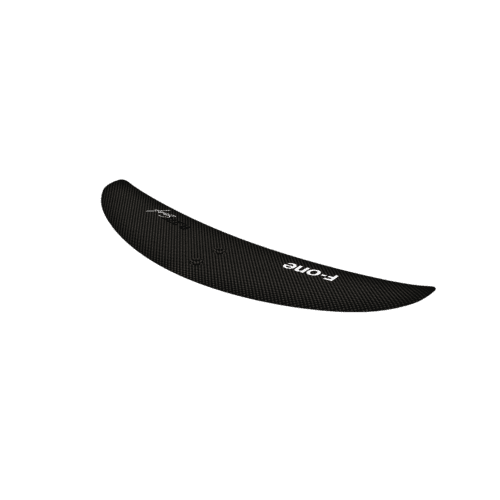
Choosing the right Armstrong tail wing comes down to personal preference, riding style, and the feel you want from your foil setup. Tail wings can dramatically change the way your foil turns, pumps, glides, and recovers, so the best choice depends on what you want your setup to do.
Lower-aspect, thicker tail wings, such as the Surf MKii Series, tend to pair well with the MA front wings. This combination gives a more surfy, controlled, and maneuverable feel, making it a great choice for wave riding, carving, and riders who want a more connected feel through turns.
Higher-aspect tail wings, such as the Speed and Dart series, tend to pair well with the HA front wings. These tails can help improve glide, speed, and efficiency, making them a strong match for riders who want more performance, pump, and faster riding.
You can use almost any Armstrong tail wing with almost any Armstrong front wing, but each tail will change the characteristics of the full setup. A smaller tail wing will usually make the foil feel looser, more maneuverable, and tighter turning. A larger tail wing will typically add more stability, easier pumpability, and a more forgiving feel.
Because tail wing choice is so personal, it is often a matter of testing what feels best for your riding style. If you are unsure which Armstrong tail wing to choose, please reach out to us and we’ll be happy to help you match the right tail wing to your front wing, conditions, and goals.